


Influence &
Negotiation.
A structured inquiry into ethical, non-manipulative influence — examining intent transparency, consent and agency, power asymmetry, truthfulness, framing integrity, interests, process fairness, emotional regulation, cultural fit, durable agreements, exit options, trust, misuse risk, and boundaries.
agency becomes
manipulation.
Ethical influence and negotiation aim to improve understanding, coordination, and agreement without overriding consent, exploiting vulnerability, or distorting reality.
This genre examines transparent intent, preserved agency, power asymmetry, truthfulness, framing, interests, fair process, voluntary outcomes, cultural context, emotional regulation, exit options, long-term trust, misuse risk, and the boundaries where influence should be constrained.
that protect agency and trust.
These questions test whether communication and influence remain truthful, voluntary, procedurally fair, context-sensitive, and durable — rather than becoming coercive or manipulative.
Is the influence goal explicit and legitimate?
Does the approach respect the other party’s ability to say no without penalty?
How disparities (status, information, authority) are recognized and constrained.
Whether information is accurate, non-misleading, and not selectively withheld.
Are frames clarifying reality or distorting it to force outcomes?
Whether underlying interests are surfaced rather than positional bargaining only.
Rules of engagement, turn-taking, and procedural justice.
Are agreements durable, voluntary, and revisitable?
Language norms, values, and negotiation styles respected.
Management of affect without exploitation (no fear/shame leverage).
Clear paths to pause, reframe, or walk away.
Trust preservation beyond immediate wins.
Techniques that can slide into manipulation if misapplied.
Contexts where influence should be constrained or prohibited (e.g., vulnerability, crisis).
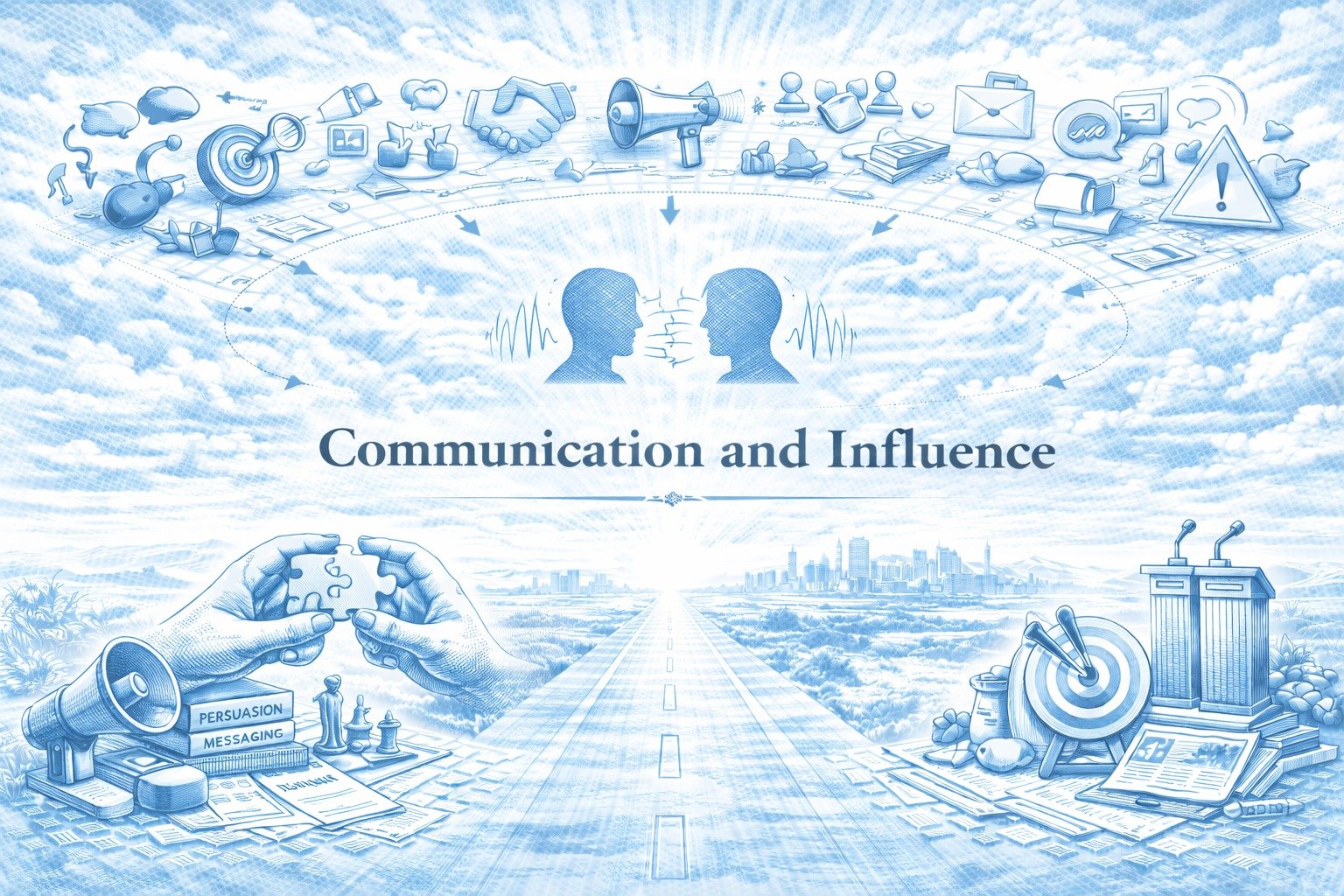
A visual grouping of this page’s communication, influence, and negotiation questions — not a claim of a formal Nous Sapient model.
Clarify intent, surface interests, respect context, recognize power asymmetries, and preserve agency.
Communicate truthfully, frame with integrity, regulate emotion, maintain fair process, and preserve exit options.
Seek voluntary, durable, revisitable outcomes while protecting long-term trust and guarding against misuse.