


& Scriptural
Interpretation.
A structured inquiry into applied religious and theological interpretation — examining textual grounding, hermeneutic method, canon and provenance, translation integrity, historical context, doctrinal coherence, normative claim types, applicability, ethical impact, authority, pluralism, psychological effects, and the risks of coercive or weaponized interpretation.
method, context
& restraint.
Applied theological interpretation becomes more rigorous when the text, interpretive method, authority structure, doctrinal context, scope, and ethical consequences are made explicit.
This genre examines textual grounding, hermeneutics, canon boundaries, translation, historical context, doctrinal coherence, normative claim types, applicability, boundary conditions, ethical impact, authority and enforcement, misuse risk, pluralism, and psychological or social effects.
that discipline interpretation.
These questions test whether scriptural interpretation is textually grounded, methodologically explicit, context-aware, doctrinally coherent, ethically bounded, transparent about authority, and resistant to coercive or weaponized use.
What specific text(s) are being used and what is the textual basis for the claim?
Which interpretive method is being applied (literal, contextual, allegorical, jurisprudential, historical-critical, etc.)?
What counts as authoritative within that tradition (scripture, commentary, consensus, lineage)?
Are key terms translated faithfully or rhetorically reshaped?
Historical, linguistic, and situational context of the passage/teaching.
Is the interpretation consistent with the broader doctrinal system, or does it create contradictions?
Is the guidance moral counsel, legal rule, spiritual ideal, or descriptive history?
Who does the rule apply to (time, community, role, circumstance)?
When does the guidance not apply, or become unsafe?
Likely harms/benefits—especially to vulnerable groups.
Who enforces interpretations, and what safeguards exist against abuse?
How texts may be used to justify coercion, violence, exclusion, or domination.
How interpretive disagreement is handled within and across traditions.
Guilt, fear, shame, empowerment, compassion—how these are induced and governed.
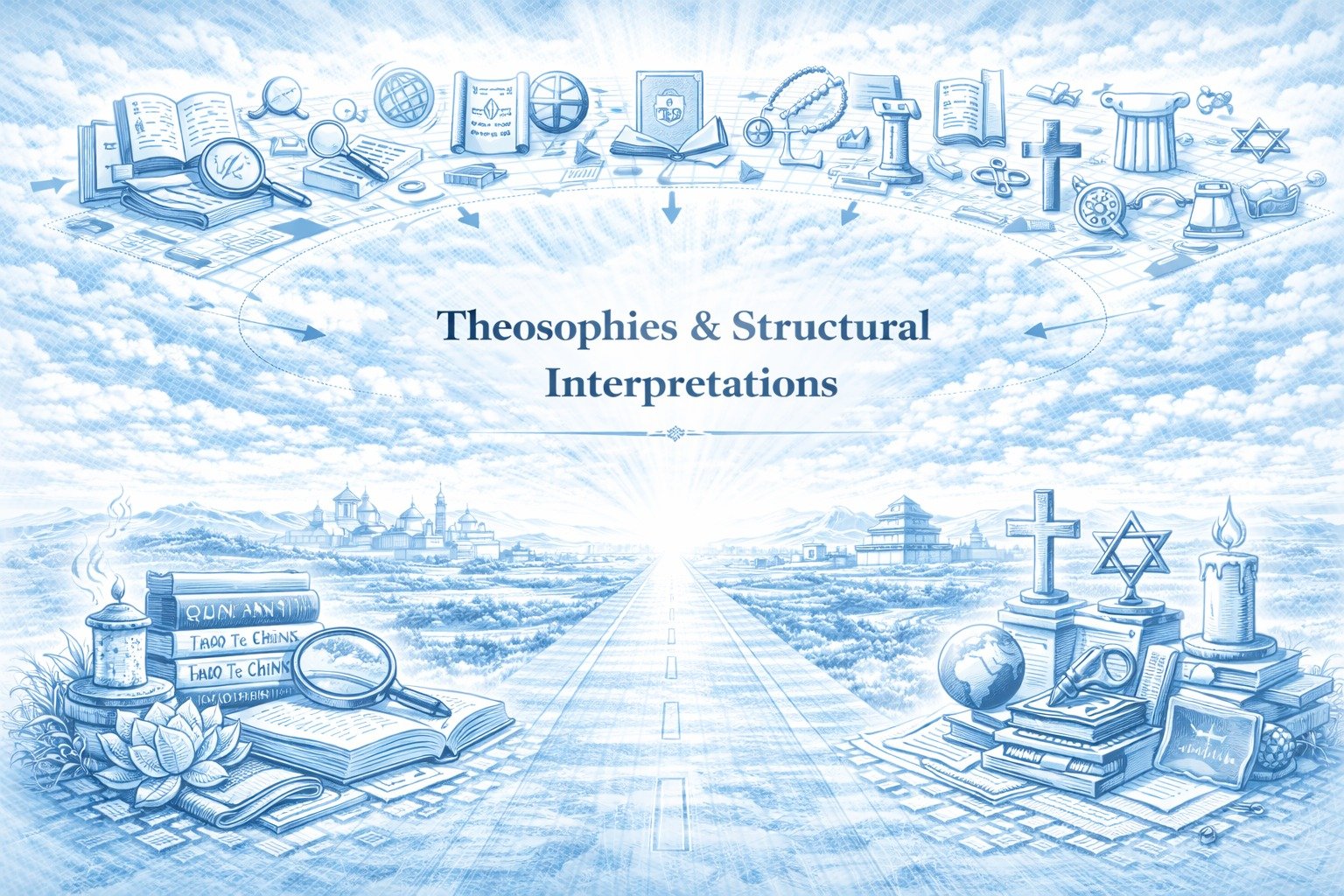
A visual grouping of this page’s religion, theology, and scriptural-interpretation questions — not a claim of a formal Nous Sapient model.
Establish the text, provenance, canon boundaries, translation integrity, and historical-linguistic context.
Make the hermeneutic method explicit, test doctrinal coherence, distinguish claim types, and handle pluralism honestly.
Define scope and boundaries, examine ethical and social effects, constrain authority, and guard against coercive misuse.